


ANSI Class A vs Class B First Aid Kits: Which Does Your Workplace Need?
Published: July 23, 2026 · By Anne Johnson
What ANSI Z308.1 Actually Classifies
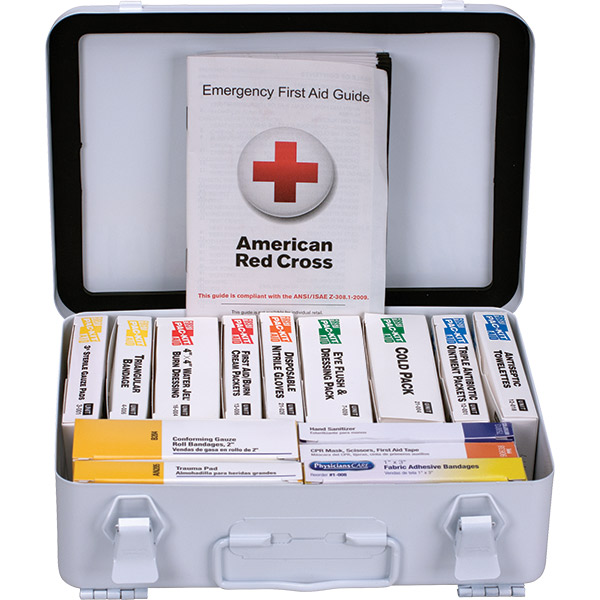
The ANSI/ISEA Z308.1 standard defines minimum fill requirements for 18 categories of first aid supplies - things like adhesive bandages, burn treatment, eye wash, and trauma dressings - and groups workplace kits into two performance tiers: Class A and Class B. The class doesn't describe the size of the box; it describes the minimum quantity and variety of supplies required inside it.
Class A: The Baseline for Lower-Risk Workplaces
Class A kits are built for workplaces with a lower likelihood of injury and a smaller number of people exposed to that risk - typical office environments, retail floors, and light-assembly settings. A Class A kit still meets OSHA's "adequate supplies" bar for those environments, but it carries lighter quantities and a narrower range of item types than Class B.
Class B: Built for Higher-Risk, Higher-Population Environments
Class B kits scale up both quantity and variety, and they add categories more relevant to physical, industrial-style injuries - larger trauma dressings, more burn care, and higher counts of the most-used items. Class B is the appropriate baseline for warehouses, manufacturing floors, construction sites, and any workplace where the injury risk is more severe or the workforce exposed to it is larger.
How to Decide Which Class Your Workplace Actually Needs
- Headcount at the site - more people exposed to the same hazard generally points toward Class B
- Nature of the work - repetitive manual handling, machinery, box cutters, forklifts, or chemical exposure point toward Class B; desk-based or light retail work is usually Class A territory
- Distance to professional medical care - remote sites with a longer wait for EMS response often justify stepping up a class even if the base risk looks moderate
- Insurance and internal safety policy - many corporate risk management policies mandate Class B site-wide regardless of individual site risk, simply to standardize procurement
A Common Mistake: Assuming One Class Fits an Entire Company
Multi-site businesses often make the mistake of standardizing on Class A everywhere because that's what the corporate office needs, then quietly under-equipping a warehouse or field site that actually needs Class B. ANSI classification should be assessed per site and per risk profile, not applied as a single blanket policy across very different work environments.
Type Rating: The Other Half of the Classification
Alongside Class A/B, Z308.1 also assigns a Type rating (I through IV) describing how the kit is built to withstand its environment - from a stationary indoor cabinet (Type I) up to a portable, water-resistant, corrosion-resistant kit rated for mobile outdoor use (Type IV). A construction site needs both the right class and the right type; a Class B kit in a container that can't survive being carried around a job site all day doesn't actually solve the problem.
FAQ
Is a Class B kit always better than a Class A kit?
Not necessarily "better" - Class B is built for higher-risk or higher-population environments. A Class A kit is entirely appropriate, and often more cost-effective, for genuinely lower-risk workplaces like offices.
Can I use a Class A kit in a warehouse to save money?
It's risky. Most warehouses have the injury profile and headcount that Z308.1's Class B tier is built for, and an under-classed kit is one of the more common findings in a safety audit.
Does OSHA require ANSI Class A or Class B specifically?
OSHA doesn't name ANSI Z308.1 directly in its regulatory text, but its own guidance and enforcement history treat Z308.1-compliant kits, matched to the correct class for the environment, as strong evidence of the "adequate supplies" 1910.151(b) requires.
What's the difference between Class and Type in ANSI Z308.1?
Class (A or B) describes the quantity and variety of supplies inside the kit. Type (I through IV) describes how durable and portable the container itself needs to be for its environment.
Matching class to actual site risk - not just picking whatever's cheapest or most familiar - is the difference between a kit that passes an audit and one that draws a citation. Browse OSHA-compliant first aid kits built to the correct ANSI class for your workplace.
