

NEMT Vehicle Compliance Checklist: DOT & State Requirements for Medical Transport Vans and Buses
Published: July 23, 2026 · By Anne Johnson
Why NEMT Compliance Is More Complicated Than Standard Fleet Compliance
A standard commercial fleet mainly answers to FMCSA and state DOT vehicle safety rules. An NEMT fleet answers to those plus whatever transportation standards the state Medicaid agency or managed care organization requires as a condition of the transportation contract - and those state-level requirements vary significantly and change more often than federal rules do.
The DOT/FMCSA Side of the Checklist
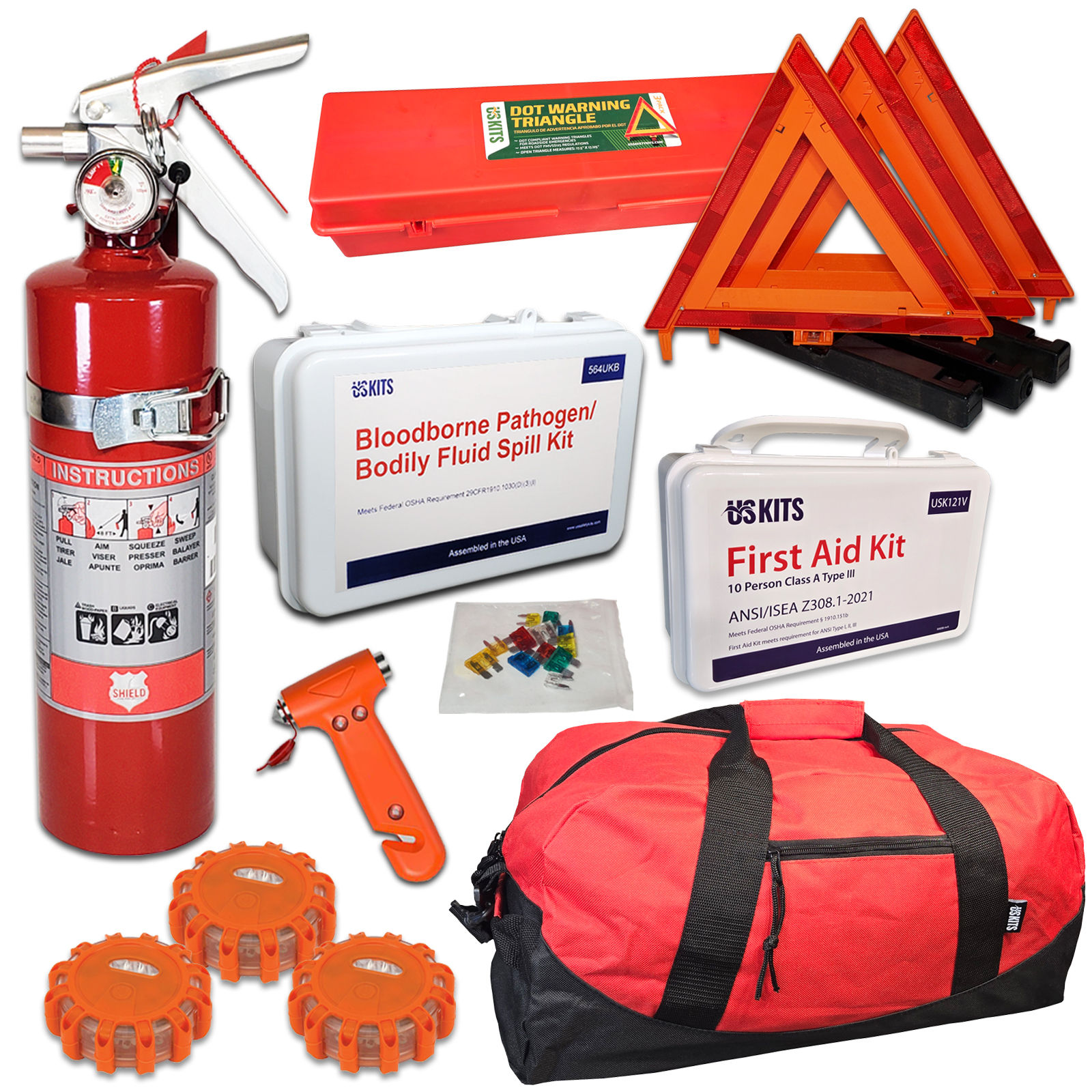
- Required onboard safety equipment - warning triangles or flares, a properly rated fire extinguisher, and spare fuses where applicable, matched to the vehicle's size and classification
- Driver qualification files kept current, including medical certification where the vehicle and route classification require it
- Vehicle inspection and maintenance records that can be produced on demand, not reconstructed after the fact
- Properly documented wheelchair securement and passenger restraint systems on any vehicle equipped for non-ambulatory passengers
The State Medicaid / Managed Care Side of the Checklist
- A stocked, state-specified first aid kit on board - many state NEMT contracts specify minimum contents distinct from (and sometimes stricter than) general ANSI Z308.1 workplace requirements
- Driver background checks and training specific to transporting medically vulnerable passengers, often exceeding standard commercial driver requirements
- Vehicle cleanliness and infection-control documentation, particularly relevant for dialysis and oncology transport routes
- Communication equipment requirements - many contracts require a working two-way communication method independent of the driver's personal phone
Where NEMT Fleets Most Often Get Flagged
The most common audit findings aren't missing vehicles or untrained drivers - they're paperwork and equipment gaps that accumulate quietly: a first aid kit that was stocked at contract signing but never restocked, a fire extinguisher past its inspection date, or a securement system that was compliant when installed but hasn't been re-certified. Because NEMT operates under two overlapping regulatory regimes, it's easy for a fleet to stay current on the DOT side while quietly drifting out of compliance on the state Medicaid side, or vice versa.
Building a Realistic Inspection Cadence
Most NEMT operators that pass audits cleanly run inspections on two separate schedules rather than one combined checklist: a DOT-focused vehicle safety inspection on the cycle FMCSA/state DOT expects, and a separate, more frequent supply and documentation check tied to the specific Medicaid/managed-care contract's terms. Treating them as one undifferentiated "safety check" is exactly how gaps get missed.
Vans vs Buses: Different Vehicles, Different Requirements
Larger NEMT buses used for group paratransit routes typically carry stricter DOT equipment requirements (higher-rated fire extinguishers, additional warning devices) than a standard NEMT van, purely based on passenger capacity and vehicle classification. A compliance checklist built for a van fleet doesn't automatically transfer to a bus fleet without re-checking those thresholds.
FAQ
Is NEMT compliance the same as standard commercial fleet compliance?
No. NEMT fleets have to meet standard DOT/FMCSA vehicle safety requirements plus additional, separate state Medicaid or managed-care transportation contract requirements, which vary by state and by contract.
Do NEMT vehicles need a specific type of first aid kit?
Many state NEMT contracts specify minimum first aid kit contents as part of the transportation agreement, which can be more specific than general ANSI Z308.1 workplace requirements - always check the individual contract.
What's the most common reason NEMT fleets fail an audit?
Gradual drift on paperwork and supply upkeep - an inspection tag that expired, a first aid kit that was never restocked after initial contract sign-off, or a securement system due for re-certification - rather than a total absence of equipment.
Keeping a mixed van-and-bus NEMT fleet audit-ready means treating DOT vehicle safety and state Medicaid transportation requirements as two separate, ongoing checklists, not one. Browse DOT-compliant NEMT kits - including the NEMT Caregiver Transport Kit built specifically for medical transport vans and buses.
